
The Top 12 Safety Tips for your Home
Whether you're planning on selling your home or living in it for the next 30 years, below is a list of items you should be aware of to ensure your home is safe.
- GOOD LIGHTING— Adequate lighting reduces the risk of tripping and falling both inside and outside your home. Critical areas that need to be illuminated are the stairs, outdoors, and foyers. The fix: Make sure adequate wattage is utilized and long-life bulbs and motion detectors are in place.
- ELECTRICAL PROBLEMS?— Electrical issues, like a flickering light or a dead outlet, can be mild annoyances that actually signal serious dangers. If not addressed promptly, a faulty electrical system can result in house fires and shocks. The fix: Contact a professional right away. In your daily life, make sure electrical cords are not frayed and extension cords are securely connected. Unplug small appliances, space heaters, and power tools when not in use.
- DO ROUTINE CLEANING— Not maintaining appliances leads to a greater chance of accidental home fires. The fix: Do simple tasks regularly like cleaning grease off your stovetop, emptying the lint trap on your dryer, and keeping your chimney clean and clear.
- SMOKE & GAS DETECTORS— Every home needs functional warning devices that detect smoke and gases. The fix: When purchasing smoke alarms, make sure they also detect carbon monoxide, a deadly gas that is especially dangerous because it is colorless and odorless. Replace the batteries every six months.
- SECURE YOUR HOME— Many homes now have the latest technological advancements but still rely on locks and hardware from decades ago to keep you safe from intruders. The fix: Do an audit of all entry points to your home—doors, windows, and screens. If any do not have secure screens, locks, and deadbolts, have them installed.
- WHEN YOU’RE AWAY— Being away makes your home vulnerable to intruders. The fix: Create the illusion that someone may still be there. Leave a TV or stereo on, and have a neighbor pick up mail and the daily paper. Turn down phone ringers, keep blinds drawn, and don’t leave unsecured valuables in the home even if you think they are well-hidden and never hide keys around the home.
- HOUSEHOLD REPAIRS— Even if you are an expert and know your way around electrical, plumbing, car, or other household repairs, proceed with caution. A poor repair could be a recipe for disaster. The fix: Call a professional or ask me for a referral from my trusted sources.
- VEHICLE CAUTION— Remember that there is danger even before you drive on the street. The fix: Be cautious and proceed slowly when driving vehicles in or out of your driveway. If your driveway does not have good visibility in both directions, walk down and look in both directions before you get in your car.
- MAKE IT SAFE FOR VISITORS— If you are hosting friends and family, consider what additional safety challenges they may face. The fix: Put yourself in the shoes of a small child and look for low, hard edges, sharp objects, and easy-to-open cabinets with chemicals and cleaning agents. Look for falling and tripping hazards that may affect seniors.
- BRACE YOURSELF— Heavy objects are rarely braced in the home. Appliances, artwork, TVs, and aquariums present real hazards if they are knocked down by a person or a natural disaster. The fix: Strap and brace heavy objects and use security hardware for large artwork.
- UNCOVER HIDDEN DANGERS— If your home was built before the late seventies, there’s likely lead paint on a wall layer or in the varnish on hardwood floors and potentially asbestos in “popcorn” ceiling textures. The fix: Hire a licensed contractor to test for possible contaminants and remove them safely, especially prior to a remodel.
- MOTHER NATURE— Your homeowners' insurance will cover you in many instances, but did you know that you may not be insured against natural disasters like floods, tornadoes, and hurricanes? The fix: Contact your insurance agent to make sure you have adequate replacement coverage as home values escalate and coverage amounts can stay static.
Categories
- All Blogs 410
- 55+ Communities 12
- Boating Communities 13
- First Time Home Buyer 150
- Flood Insurance 3
- Florida Lifestyle 69
- Foreclosures 2
- Fort Myers Market Update 5
- Fun Things to do in Lee County, Florida 37
- Golf Communities 23
- Home Buyer Tips 171
- Home Seller Tips 127
- Homeowner Tips 64
- Mortgage Tips 44
- Neighborhoods 75
- Schools 4
- Title & Escrow 4
- Title Insurance 5
Recent Posts

Fort Myers Real Estate Market Update: October 2026 vs. October 2025 — What Buyers and Sellers Need to Know

Moving to Fort Myers, Florida? 15 Things to Know Before You Buy a Home

Thinking About Selling Your Home in Fort Myers? 12 Things to Know Before You List

How to Choose the Best Realtor in Fort Myers, Florida
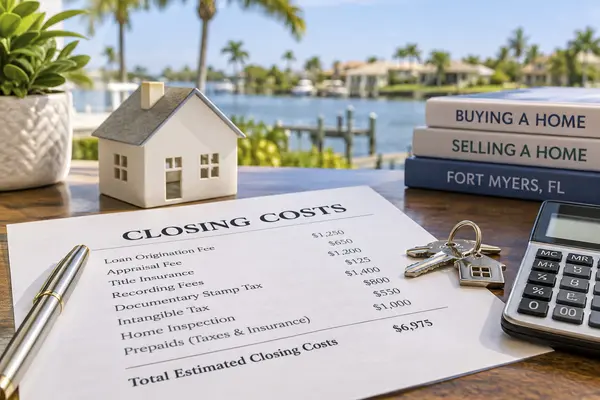
Closing Costs in Fort Myers, FL: What Buyers and Sellers Need to Know

What Are the Best Neighborhoods in Fort Myers, Florida? A Local Realtor's Guide
Living in Bonita Isles in Bonita Springs, Florida: Community, Lifestyle & a Lakefront Home for Sale
Living in Babcock Ranch, Florida: A Look at the Lifestyle & 44348 Kelly Drive

Florida Amendment 3 Explained: What Homeowners and Home Buyers Need to Know

Fort Myers Real Estate Market Update: September 2026 vs. September 2025
GET MORE INFORMATION

Billee Silva, PA, ABR SRS
Licensed Realtor License ID: P3275278
Licensed Realtor License ID: P3275278