
What Are the Most Commonly Forgotten Costs of Buying a House?
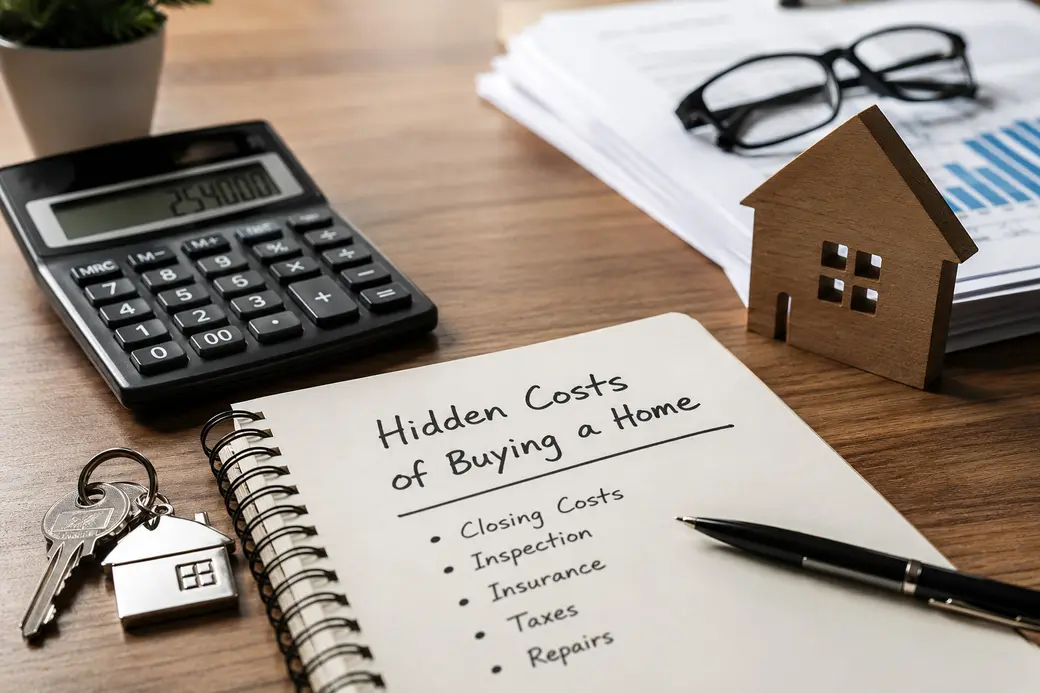
Buying a home is exciting, but many buyers focus so much on the purchase price and monthly mortgage payment that they overlook several other expenses. These "hidden" costs can add up to thousands of dollars and catch buyers off guard if they aren't prepared.
As a Fort Myers Realtor, one of my goals is to help buyers understand the complete financial picture before making an offer. Knowing these costs in advance can help you budget properly and avoid unnecessary stress during the home buying process.
1. Home Inspection Costs
A home inspection is one of the smartest investments you'll make during the home-buying process.
While a standard home inspection in Southwest Florida typically costs several hundred dollars, it can identify issues that could save you thousands after closing. Depending on the age and condition of the home, you may also want additional inspections such as:
- Four-point inspection
- Wind mitigation inspection
- Pool inspection
- Mold inspection
- Sewer scope
- Roof inspection
- Wood-destroying organism (termite) inspection
One thing many buyers overlook is that the inspection itself is only the beginning. If the inspector finds concerns with the roof, air conditioning system, plumbing, or signs of moisture intrusion, you may need to hire a licensed specialist for a more detailed evaluation. While these additional inspections add to your upfront costs, they can help you avoid much larger expenses after closing.
Want to know which issues are most likely to come up? Read my article, "Home Inspection Red Flags: The 5 Biggest Issues Buyers Should Watch For," where I explain why roofs, HVAC systems, moisture, termites, polybutylene plumbing, and cast iron drain lines are among the most common inspection findings in Southwest Florida and how buyers can use that information during negotiations.
2. Closing Costs
Many buyers focus on saving for their down payment but forget that they'll also need money for closing costs.
Depending on your financing and the terms negotiated in the purchase contract, buyer closing costs may include:
- Loan origination fees
- Appraisal
- Credit report fees
- Lender's title insurance
- Recording fees
- Prepaid homeowners insurance
- Prepaid property taxes
- Initial escrow deposits
- Settlement or closing fees
In Florida, buyers should generally expect closing costs to range from 2% to 5% of the purchase price, although the exact amount varies based on the loan type, lender requirements, and the timing of the closing.
One thing many first-time buyers don't realize is that buyers and sellers don't pay the same closing costs. In Lee County, it's customary for sellers to pay several expenses that buyers often assume they'll be responsible for, including the owner's title insurance policy, although everything is negotiable as part of the contract.
3. Homeowners Insurance
Insurance premiums vary significantly from one property to another.
Factors that affect the cost include:
- Age of the roof
- Construction type
- Hurricane protection
- Flood zone
- Claims history
- Location
- Replacement cost
- Deductible selected
This is why I never estimate insurance costs for buyers. During your inspection period, once we have the inspection reports, including the wind mitigation and four-point inspection when applicable, I recommend obtaining insurance quotes based on the actual property rather than guessing.
4. Flood Insurance
One of the biggest misconceptions is that every Florida home requires flood insurance.
Whether flood insurance is required depends on several factors, including:
- The property's flood zone
- Your lender's requirements
- Whether you're paying cash or financing
- Your personal comfort with flood risk
Even homes outside high-risk flood zones can flood, so it's important to understand your options before making a decision.
Related Articles:
- Do You Need Flood Insurance in Fort Myers? What Home Buyers Should Know
- Which Areas of Fort Myers Are NOT in a Flood Zone?
5. Property Taxes
Property taxes often surprise buyers moving from other states.
Taxes may increase after a home sells because the previous owner's exemptions no longer apply. Buyers should never assume the current tax bill will be their future tax bill.
It's important to estimate taxes based on the anticipated purchase price rather than what the seller currently pays.
6. HOA or Condo Fees
If you're purchasing in a community with a homeowners association or condominium association, don't stop at the monthly fee.
Ask about:
- Current reserves
- Planned capital improvements
- Recent reserve studies
- Structural Integrity Reserve Studies (for many Florida condominiums)
- Upcoming special assessments
- Rules and restrictions
- Rental limitations
- Pet restrictions
A low monthly HOA fee isn't always a bargain if the association has deferred maintenance or inadequate reserves.
7. Utility Deposits and Connection Fees
Many utility companies charge connection fees or security deposits for new service.
Depending on where you're moving from, you may need to budget for:
- Electric
- Water
- Sewer
- Trash
- Internet
- Cable
These costs aren't large individually, but they often come due all at once shortly after closing.
8. Moving Expenses
Moving costs are frequently underestimated.
Remember to budget for:
- Professional movers
- Moving truck rental
- Packing supplies
- Storage units
- Fuel
- Hotel stays if relocating
- Meals during the move
- Cleaning services
A local move may cost a few hundred dollars, while a long-distance move can easily run several thousand.
9. Immediate Repairs or Personalization
Even move-in-ready homes usually require some spending after closing.
Common expenses include:
- Interior painting
- New locks
- Garage door remotes
- Window treatments
- Appliances
- Landscaping
- Furniture
- Ceiling fans
- Shelving
- Smoke detectors
- Air filters
Many buyers spend more during their first few months of ownership than they expected.
10. Maintenance and Emergency Savings
Owning a home means you're responsible for repairs.
Eventually, every home needs:
- HVAC servicing
- Roof maintenance
- Water heater replacement
- Plumbing repairs
- Appliance repairs
- Exterior painting
- Landscaping
- Pest control
Many financial experts recommend setting aside 1% to 3% of the home's value each year for maintenance, although actual costs vary depending on the home's age and condition.
11. Appliances and Equipment That Stay...or Don't
Never assume everything you see during a showing stays with the home.
Your purchase contract specifies what conveys with the property.
Items that sometimes do not stay include:
- Washers and dryers
- Garage refrigerators
- Freezers
- Patio furniture
- Grills
- Security cameras
- Wall-mounted TVs
If there's something you want included, make sure it's written into the contract.
12. Furniture That Fits Your New Home
A larger home often means buying additional furniture.
Common purchases include:
- Dining room furniture
- Guest bedroom furniture
- Patio furniture
- Window coverings
- Rugs
- Storage cabinets
Many buyers underestimate how much furnishing a larger home can cost.
Tips to Budget for Success
Before purchasing a home, create a budget that includes:
- Down payment
- Closing costs
- Inspection costs
- Insurance
- Property taxes
- HOA fees
- Moving expenses
- Utility setup
- Immediate home improvements
- Emergency maintenance fund
Planning for these expenses helps make your transition into homeownership much smoother.
Frequently Asked Questions
How much should I budget beyond my down payment?
Many buyers should plan for an additional 2% to 5% of the purchase price in closing costs, plus inspections, moving expenses, insurance, and any immediate repairs or furnishings.
What unexpected cost surprises first-time buyers the most?
Homeowners insurance, property taxes, moving expenses, and furnishing a new home are among the most commonly underestimated costs.
Should I get insurance quotes before making an offer?
You can get general estimates, but the most accurate quotes come during your inspection period after insurance companies review the property's specific details and inspection reports.
Are HOA fees the only expense in a condo?
No. Condo owners may also face special assessments, reserve funding requirements, insurance costs, and maintenance responsibilities not covered by the association.
The Bottom Line
Buying a home is about much more than qualifying for a mortgage. Understanding the full cost of homeownership helps you make informed decisions and avoid financial surprises after closing.
As an experienced Fort Myers Realtor, I help buyers look beyond the listing price so they can purchase with confidence. Whether you're buying your first home, relocating to Southwest Florida, or purchasing a seasonal property, I'm here to guide you through every step of the process.
Ready to buy a home in Fort Myers, Cape Coral, Estero, Bonita Springs, or the surrounding Southwest Florida area?
I'd be happy to answer your questions and help you understand all of the costs involved before you make an offer.
Categories
- All Blogs 399
- 55+ Communities 12
- Boating Communities 13
- First Time Home Buyer 143
- Flood Insurance 3
- Florida Lifestyle 69
- Foreclosures 2
- Fort Myers Market Update 4
- Fun Things to do in Lee County, Florida 37
- Golf Communities 23
- Home Buyer Tips 164
- Home Seller Tips 122
- Homeowner Tips 63
- Mortgage Tips 44
- Neighborhoods 72
- Schools 3
- Title & Escrow 4
- Title Insurance 5
Recent Posts





GET MORE INFORMATION

Billee Silva, PA, ABR SRS
Licensed Realtor License ID: P3275278
Licensed Realtor License ID: P3275278